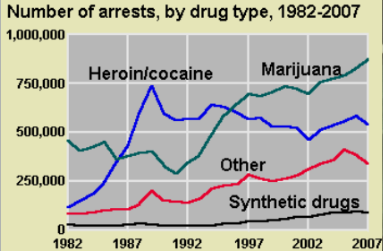
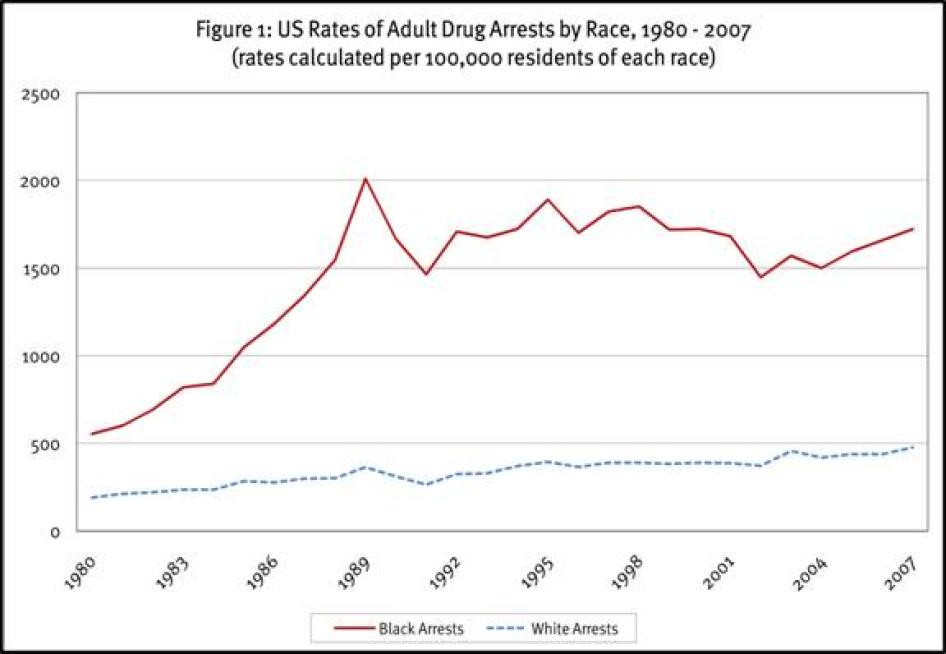
The Crack Cocaine Epidemic
Muhammad, "Crack, The CIA and Black America's Drug Crisis" , 2014
Muhammad, "Crack, The CIA and Black America's Drug Crisis" , 2014
The U.S. has faced significant drug trafficking issues since the 19th-century Chinese Opium trade.
This trafficking surged by the 1960s with the rise of Latin American cartels which specialized
heavily in one drug, cocaine.
Crack is a solid, primarily-smoked form of cocaine. During the 1980s,
crack rapidly swept across the country because of its low cost and addictive
nature, causing death, crime, and addictions in the millions.
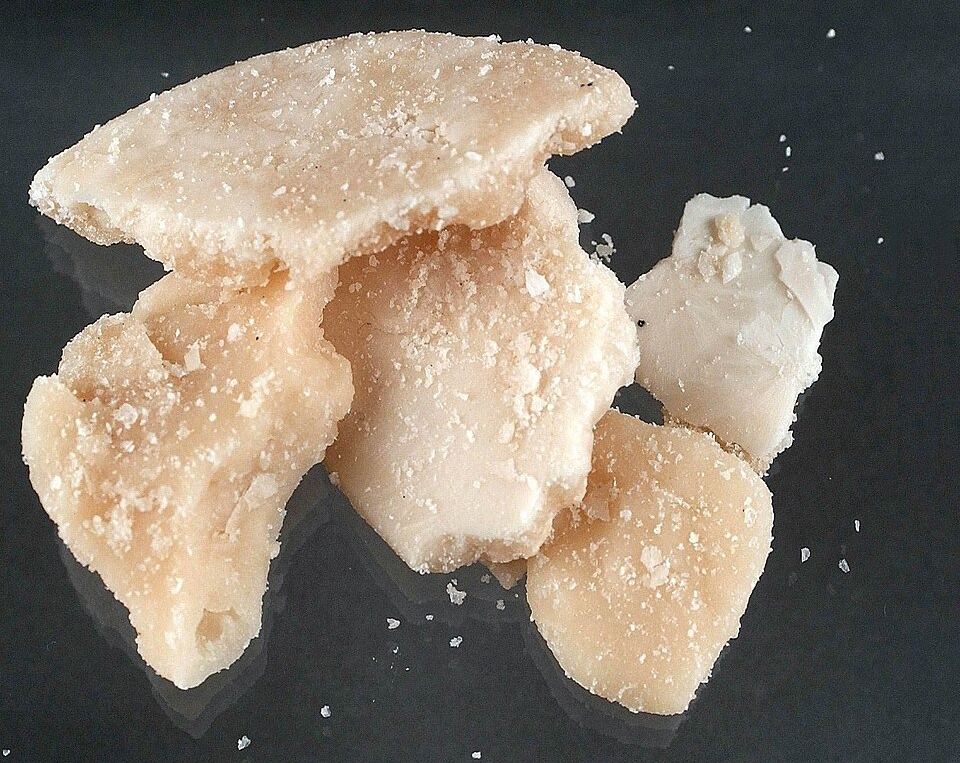
"It's as innocent looking as candy, but it's turning our cities into battle zones."
- "The Bush Years"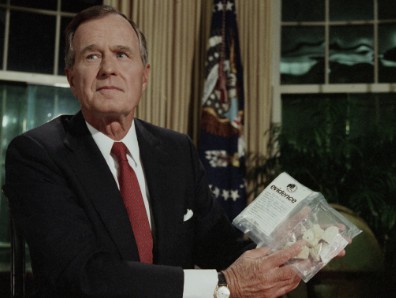
The crack epidemic predominantly affected impoverished urban communities, disproportionately impacting low-income African American neighborhoods throughout cities like L.A. due to inadequate social programs. Overdoses, incarcerations, and violence skyrocketed, devastating countless already-underprivileged minorities.
"I think what made us start smoking was curiosity and frustration. I know that it wasn't the Black brothers' or sisters' intention to smoke cocaine as a career. It's just so addicting. It's like one hit is one too many and a million hits is not enough"
- "Freeway Ricky" Ross qtd. in "Dark Alliance", 163
The Reagan Administration's Anti-Drug Abuse Act of 1986 mandated minimum sentences for drug offences and created the 100:1 crack-to-powder cocaine sentencing ratio. This legislation imposed far harsher penalties on African American communities than on the predominantly white, affluent users of powder cocaine.