Government Response and Reform
Monaco, "U.S. Capitol Building" , 2021
Monaco, "U.S. Capitol Building" , 2021
Facing public outrage following "Dark Alliance", CIA Inspector General Frederick Hitz promptly investigated its allegations.
On October 23, 1996, Hitz appeared before the Senate Select Committee on Intelligence, promising to "conduct as thorough a review as possible of all available information and report what we find candidly and completely" (Hitz, "Statement to the Permanent Select Committee"). This commitment to transparency was remarkable for an agency so resistant to publicity.
According to Hitz, this represented "the most comprehensive and exhaustive review ever conducted by the CIA/OIG [Office of the Inspector General].", comprising 250,000 pages of documents reviewed, 365 interviews conducted, and sixteen months of investigation (Hitz, "Statement to the Permanent Select Committee").
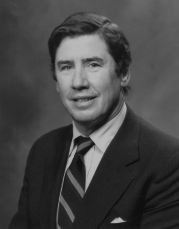
On March 16, 1998, Hitz testified before the House Permanent Select Committee on Intelligence.
"Let me be frank about what we are finding. There are instances where CIA did not, in an expeditious or consistent fashion, cut off relationships with individuals supporting the Contra program who were alleged to have engaged in drug trafficking activity or take action to resolve the allegations"
- Hitz, "Statement to the Permanent Select Committee"Hitz confirmed Webb's essential claim: The CIA disregarded cocaine trafficking into the U.S. However, the report found no evidence of Webb's alleged CIA “conspiracy to bring drugs into the United States” (Hitz, "Statement to the Permanent Select Committee"). Centrally, the government was severely negligent, rather than actively complicit.
"Dark Alliance" prompted lasting institutional changes. Following Hitz's investigation, the CIA required cutting ties with known traffickers alongside mandatory, rigorous investigation of allegations against foreign contacts before establishing relationships. Hitz's investigation demonstrated the importance of oversight in government agencies, as future Inspector Generals received clearer authority to investigate operations and demand documents.
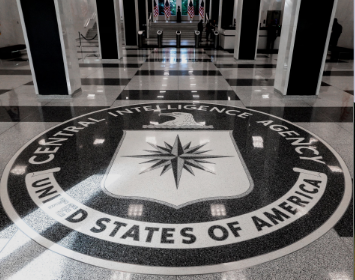
Prominent legislative reform ensued from “Dark Alliance”, such as the Congressional Black Caucus's comprehensive drug policy, which increased funding for drug prevention, treatment, and education, while also combatting racial discrimination in drug law enforcement.
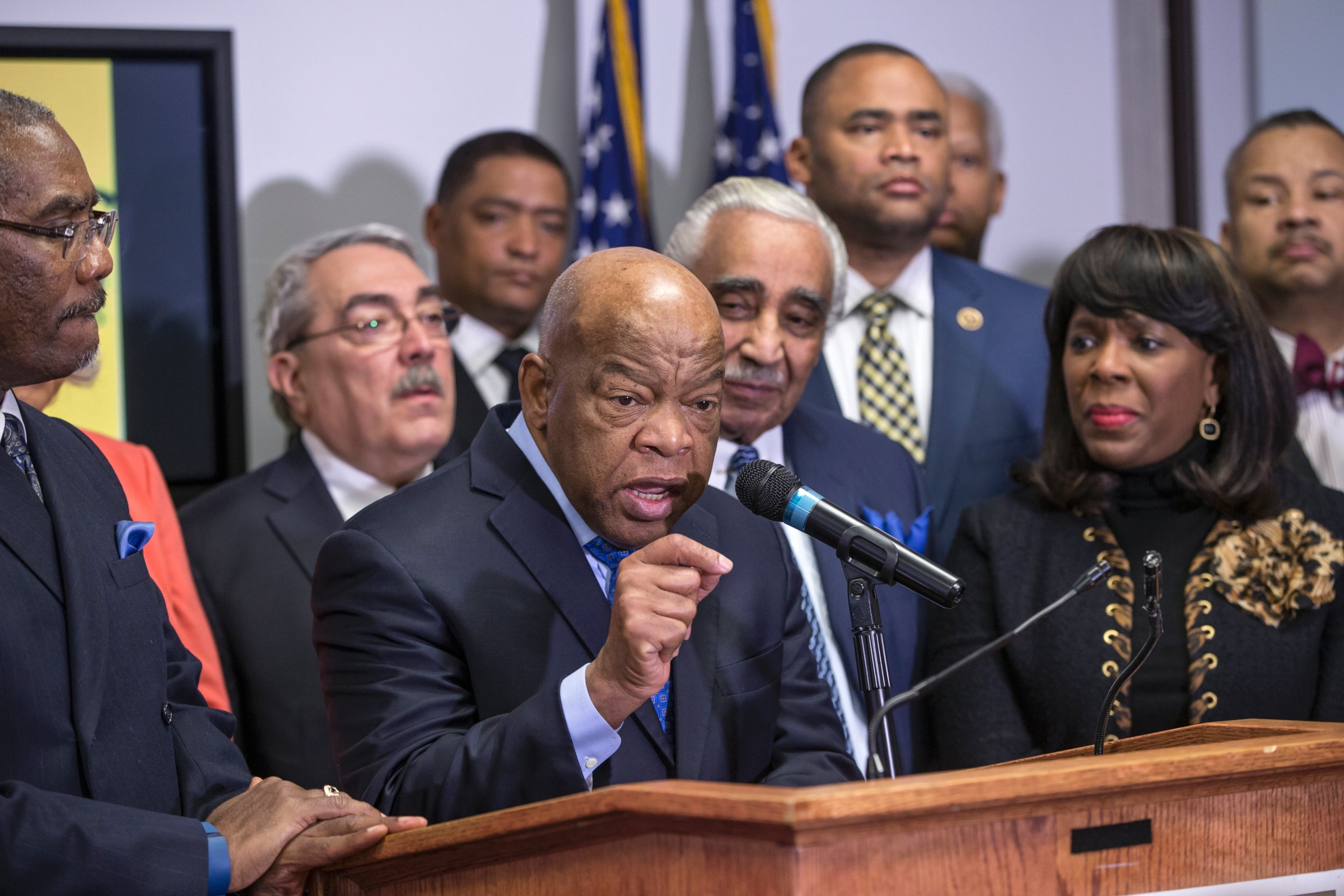
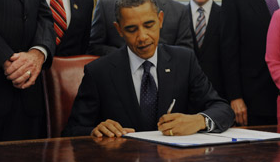
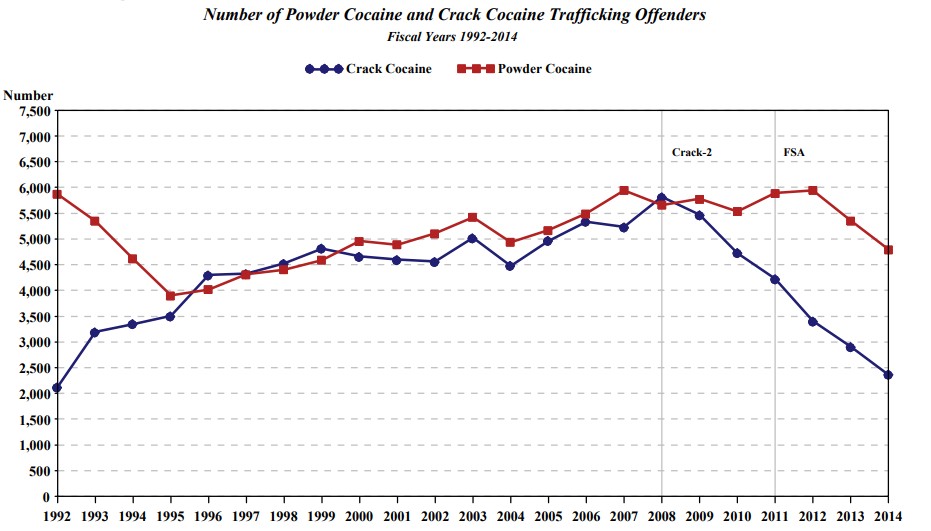
Maxine Waters continued pressing relentlessly for government accountability in town halls and Congressional hearings. This advocacy laid groundwork for the Fair Sentencing Act of 2010, reducing disparities between crack and powder cocaine penalties and eliminating the mandatory minimum sentence for simple drug possession.